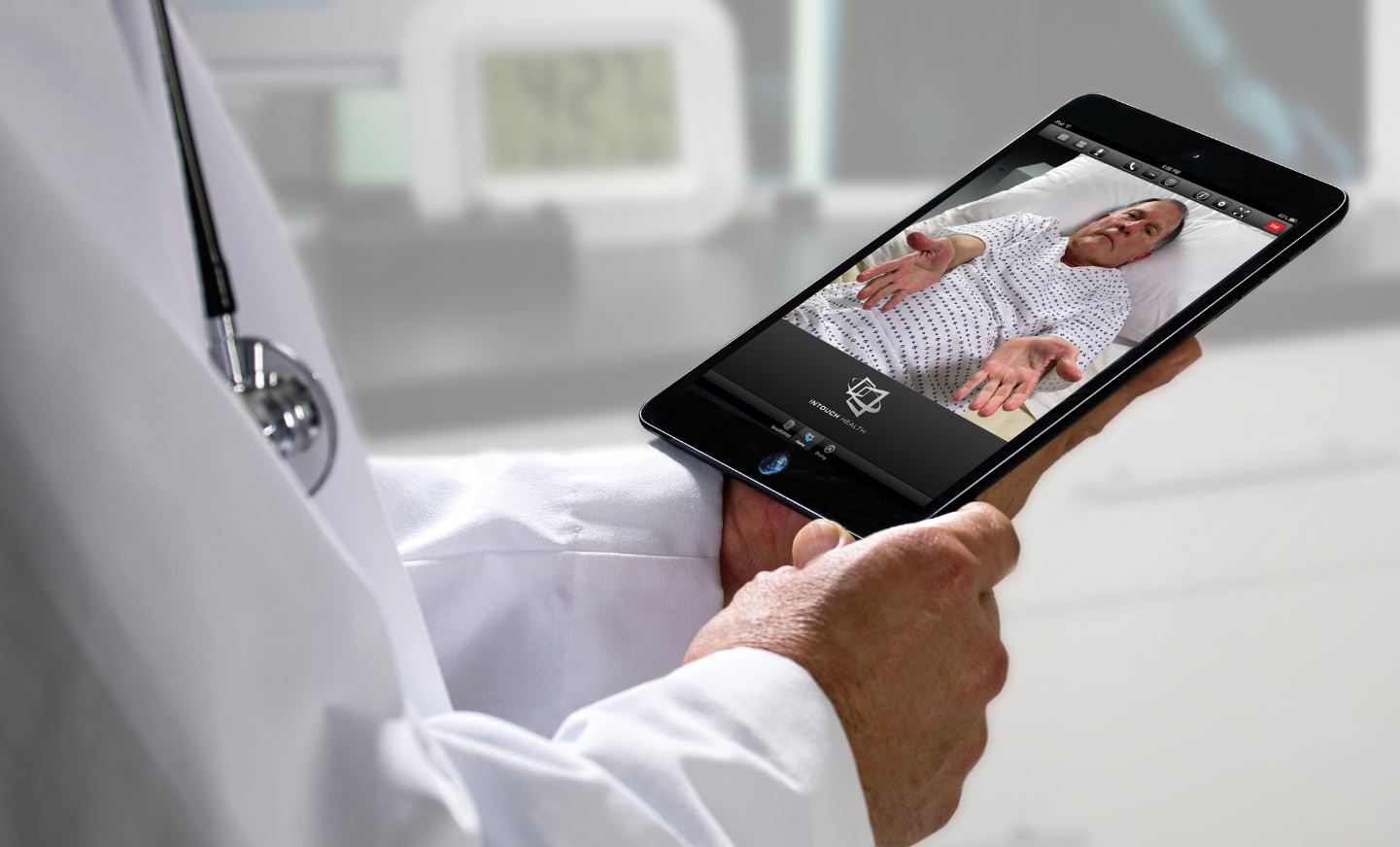
Telestroke Hits the Mainstream, but Can Other Specialties Follow Suit?
Telestroke — the delivery of expert neurology care via remote videoconferencing to patients who may have suffered a stroke — is the fastest growing trend in stroke care and is one of the most widely adopted and accepted uses of telemedicine.
Indeed, telestroke is viewed by many as a “backbone” for acceptance by providers, payers and patients, but it’s unclear if other specialties can replicate the successes of telestoke. And telestroke still faces similar hurdles to implementation and reimbursement as other telemedicine specialties.Read More »Telestroke Hits the Mainstream, but Can Other Specialties Follow Suit?






 Care coordination involves deliberately organizing patient care activities and sharing information among all of the participants concerned with a patient’s care to achieve safer and more effective care. This means that the patient’s needs and preferences are known ahead of time and communicated at the right time to the right people, and that this information is used to provide safe, appropriate, and effective care to the patient.
 The summertime is a time of fun and relaxation for most people. But for seniors, the heat and sun can be dangerous if the proper precautions aren’t taken. Here are some great summer safety tips that the elderly, as well as their caregivers, can use to make sure they have a fun, safe summer.